
Chamomile is a powerhouse of health benefits and versatile uses! With its delicate, daisy-like flowers, this little herb is more than just a pretty plant. I remember how my grandmother used to collect chamomile in the fields early in the morning with her old herb harvester and then carefully sort the flower heads and dry them. Whether she used it to prepare tea, infusions, ointments, or poultices, this simple powerful herb was a must-have in her home.

Indeed, chamomile has been cherished for centuries and was a staple in every home’s herbal medicine cabinet. So today, we’re sharing everything you need to know about this herbal gem – backed by scientific studies. If you’re interested in collecting the herb yourself, check out also our blog post tips for collecting and drying it, and how to make a refreshing cold infusion for summer or hot tea for the winter.
Why use Chamomile as a Herbal Medicine?
Chamomile’s long history as a herbal remedy is backed by modern science. Its active compounds (apigenin, chamazulene, bisabolol) offer anti-inflammatory, antioxidant, and calming effects, making it a go-to for stress relief, digestive health, and skin care. It’s gentle enough for most people, including children, when used appropriately.
Health Benefits of Chamomile
Chamomile is one of the oldest medicinal herbs known to humankind. It belongs to the Asteraceae (or Compositae) family and is commonly found in two main varieties: German Chamomile (Chamomilla recutita) and Roman Chamomile (Chamaemelum nobile).
Renowned for its calming and therapeutic properties, this herb can so much more than that. Here are the main scientifically supported benefits:
1. Promotes Sleep and Reduces Anxiety
The herb contains apigenin, a flavonoid and antioxidant that binds to receptors in the brain, promoting relaxation and sleep.
A 2015 study found that chamomile tea helped and may be recommended to postpartum women as a supplementary approach to alleviating depression and sleep quality problems. Another study showed that chamomile extract reduced anxiety symptoms in patients with generalized anxiety disorder.

2. Supports Digestive Health
Chamomile’s anti-inflammatory, antispasmodic, and carminative properties can soothe digestive issues like bloating, gas, and indigestion.
3. Anti-Inflammatory and Relieves Skin Irritation
Chamomile’s anti-inflammatory compounds, like chamazulene, help reduce skin irritation and promote healing. Studies confirmed its effectiveness in soothing eczema and skin inflammation when used topically.
4. Boosts Immunity
Chamomile may enhance immune function due to its antimicrobial properties. It increases the levels of hippurate and glycine, compounds linked to immune support.
Uses of Chamomile
Tea/Infusion
The most common way to enjoy this herb is as a tea, hot or cold, to relax or aid digestion.

Topical Applications
infused oils, creams, or compresses soothe skin conditions like eczema or sunburn.
Aromatherapy
Chamomile essential oil is used in diffusers for relaxation or added to baths.
Hair Rinse
Chamomile tea can enhance blonde hair’s natural shine when used as a rinse.
Fun Facts
The herb was used in ancient Egypt as a remedy for fevers and in mummification processes.
Lawn Alternative
Roman variant of the herb (Chamaemelum nobile) is sometimes planted as a fragrant, low-maintenance lawn substitute.
Pollinator Magnet
As beautiful as it is, this amazing herb attracts bees and butterflies to your garden. Therefore, it’s well worth to plant it!
Where to Find The Herb
In the Wild
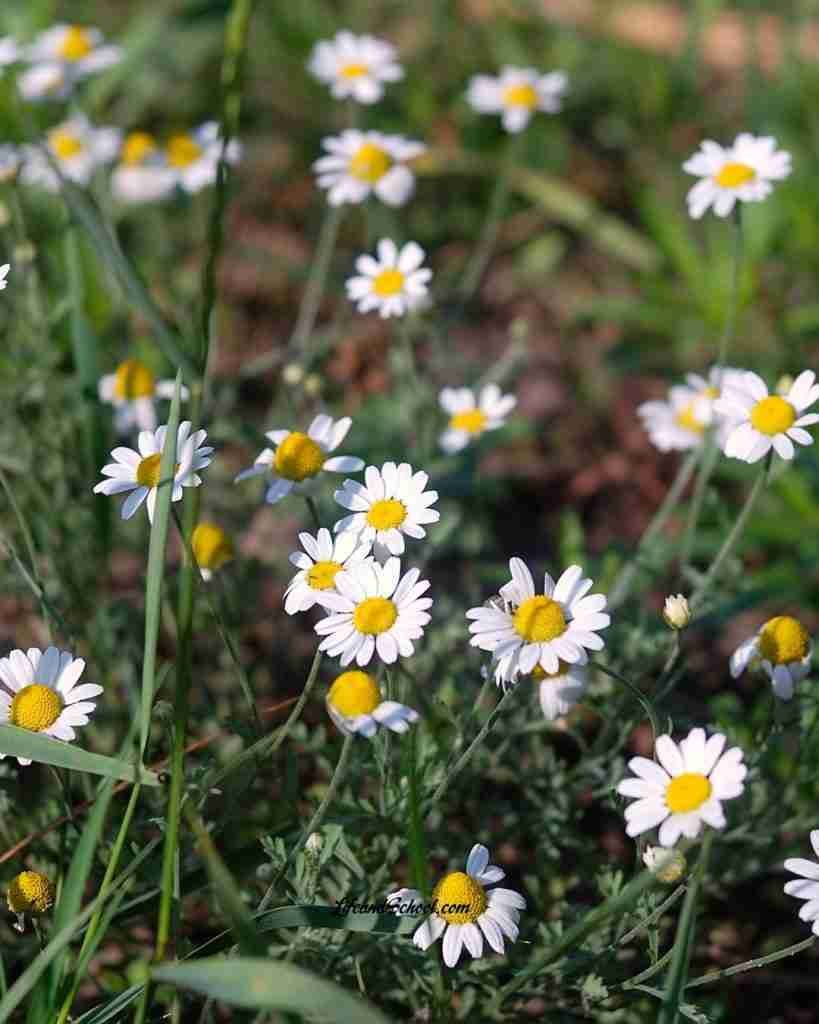
Chamomile grows in temperate regions, often in fields, roadsides, and in gardens. It’s easy to find it. Make sure, that you collect only the flower heads without hurting the precious plant. Thank you.
Grow It in Your Garden
Both German (Matricaria chamomilla) and Roman chamomile are easy to grow in sunny, well-drained soil and can turn your lawn into a beautiful herbal planter.
Stores
Dried chamomile flowers are available in health food stores, herbal shops, or online. Look for organic, high-quality sources.
Tea Aisles
Chamomile tea bags are widely available in supermarkets, however because of the plastic content in the tea bags, I do not recommend them. If possible, always try to make your tea by yourself.
Cautions
However, there are some things to consider.
Allergies
The herb may cause reactions in people allergic to ragweed, daisies, or other Asteraceae plants (e.g., itching, rash, or breathing issues).
Medication Interactions
Chamomile can interact with blood thinners (e.g., warfarin), sedatives, or anti-anxiety drugs, enhancing their effects.
Pregnancy/Breastfeeding
High doses may be unsafe; seek medical advice before use.
Dosage
Excessive use (e.g., concentrated extracts) may cause nausea or dizziness. Therefore, always use the whole real plant instead of extracts, powders etc.
Always consult a healthcare provider if unsure, especially if you have medical conditions or take medications.
Want to try it? Grow your own, buy from trusted sources.
What’s your favorite way to use chamomile? Share below!