
Sage (Salvia officinalis) is a perennial herb native to the Mediterranean region and is closely related to Salvia fruticosa, commonly known as Greek sage or East Mediterranean sage.
With a history dating back thousands of years, humans have been using sage in medicine for its numerous health benefits. In fact, it is considered almost as a cure-all herb, studies regard its medicinal property to prevent and cure Illnesses such as obesity, diabetes, depression, dementia, lupus, autism, heart disease, and cancer. No wonder, its generic name Salvia comes from the Latin verb salvare to save. The savor herb is diuretic, anti-sudatory, haemostatic, astringent and emmenagogic.
ATTENTION USE IN MODERATION
As true with all herbs, use it in moderation because its overuse can cause poisoning, even death.

Health Benefits of Sage
Rich in Antioxidants
According to studies, the antioxidants like rosmarinic acid, carnosic acid, and flavonoids in sage help protect cells from oxidative damage and reduce the risk of chronic diseases.
Anti-Inflammatory Properties
The same compounds in sage, such as rosmarinic acid, have anti-inflammatory effects, which can help alleviate inflammatory conditions like arthritis and inflammatory bowel disease.
Cognitive Health
Also, it also can improve memory and cognitive function. It inhibits the breakdown of acetylcholine, a neurotransmitter important for memory and learning.
Some studies suggest that sage may help protect against neurodegenerative diseases like Alzheimer’s by improving cognitive performance and reducing cognitive decline.
Digestive Health
Furthermore, it can help stimulate digestive enzymes, promoting better digestion and relieving symptoms of indigestion, bloating, and gas. The antimicrobial properties of sage help combat gastrointestinal infections and maintain gut health.
Respiratory Health
Its antimicrobial and anti-inflammatory properties make it effective in soothing sore throats and reducing coughs. Sage tea or gargles can be particularly beneficial for respiratory issues.
Menopausal Symptoms Relief
You can use it to alleviate menopausal symptoms such as hot flashes, night sweats, and mood swings due to its estrogenic effects.
Oral Health
Its antibacterial properties make it effective in maintaining oral health. It is a compound in mouthwashes and toothpastes to prevent bad breath and gum disease.
Skin Health
Also, it can help treat various skin conditions due to its anti-inflammatory and antimicrobial effects. Use it in creams and ointments to soothe eczema, acne, and other skin irritations.
Uses of Sage
Culinary Uses
Use fresh and dried sage leaves as a condiment and conservative in food. It flavors poultry, meat, fish, pasta, pulses, sauces, and soups. However, use it in moderation, because it has a very strong scent.
Essential Oil
Use sage essential oil in aromatherapy to improve mood, reduce stress, and enhance cognitive function.Diluted with a carrier oil for topical applications to treat skin conditions and alleviate pain.
Herbal Tea
It makes an excellent tea! Brew fresh or dried sage leaves in hot water to make a herbal tea that can aid digestion, relieve respiratory issues, and reduce menopausal symptoms.
Gargle Infusion
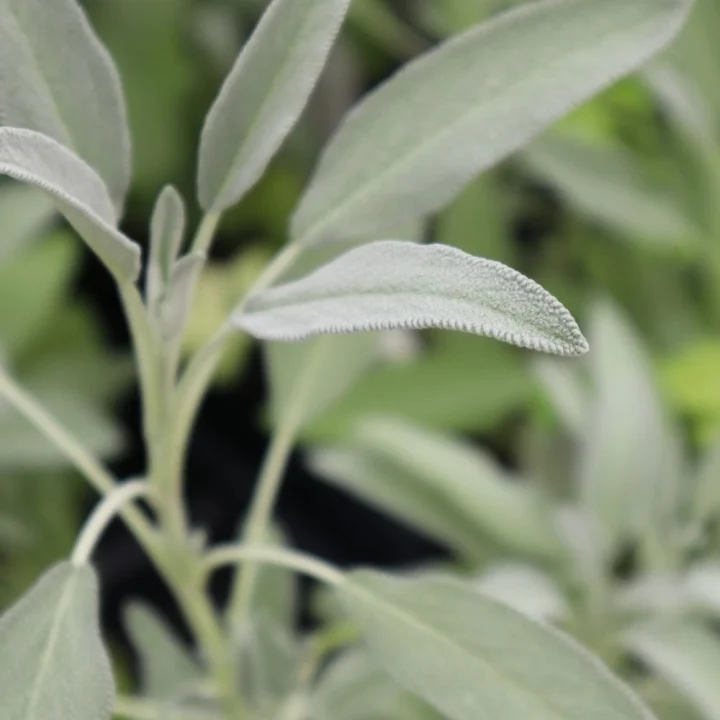
Sage Gargle Infusion
Simple way to prepare a sage gargle infusion. Only for gargling, not drinking!
Ingredients
- 20 g dried herb sage OR 30 g fresh herb
- 500 ml of water
Instructions
- Warm the the water is hot and boiling and pour it in a tea pot.
- Place the sage in a tea infuser strainer.
- Place the infuser strainer with the sage in the teapot and cover with the lid.
- Infuse for 10 minutes.
- Strain some infusion into a cup and make sure it's warm, not hot.
- Then gargle.
- You can store the rest in the fridge and warm it to room temperature to gargle again.
- Gargle 3-5 times a day.
Notes
Not for drinking, only gargling!
Detox Water Infusion
Hundreds of years ago, Creatans gave babies a sage infusion with honey to help them fall asleep. In the dessert, they still drink and infusion of sage, believing that it restricts the loss of fluids and prevents dehydration.
Well worth, to try our Detox Water Infusion!
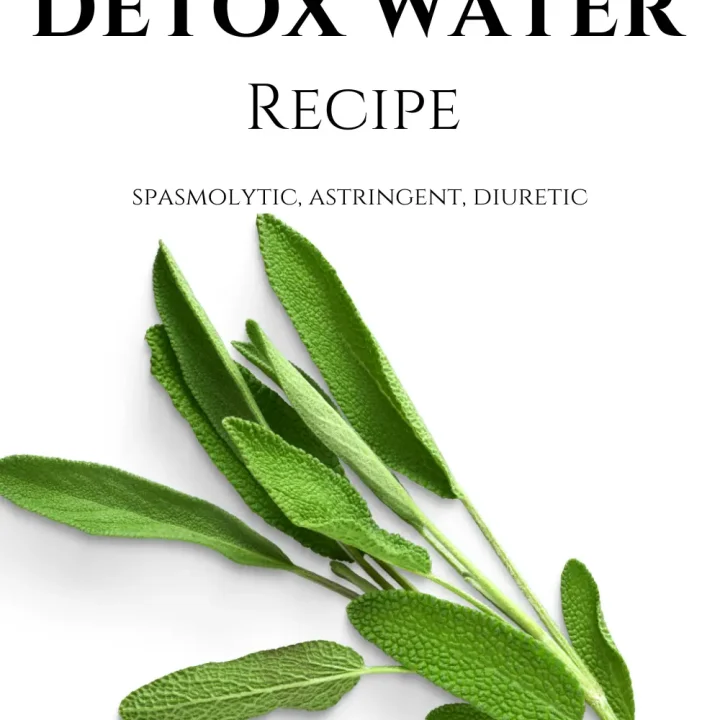
Sage Detox Water Recipe Infusion
Basic Recipe for Detox Water with Mediterranean Sage, Infused Water with Mediterranean Sage
Ingredients
- 1. About 6 cups of water (1.5 liter of water)
- 2. 1-2 stalks/sprigs of sage
- This means a small branch of the plant, usually including several of its leaves still attached to the stem which range from 2 to 4 inches long.
- Optional: 1/2 lemon in slices
Instructions
- Prepare the Ingredients: Wash the fresh sage thoroughly.
- Combine: Put the stalk in the water in a jug or in a bottle. Add the lemon slices, if you opt for it.
- Infuse: Stir the mixture well and let it sit in the refrigerator for at least 2 hours, preferably overnight. This allows the flavors and nutrients to fully infuse into the water. You could add some honey, just to sweeten it up. However, the less sugar it has, the better it is.
- Serve: Pour the detox water into a glass and enjoy! You can refill the pitcher with water a second time before replacing the ingredients, however, it might not taste so intense.
- You can use the herb for smoothies or cooking afterward.
ATTENTION: Sage must be used in moderation because its overuse can cause poisoning!
Nutrition Information:
Yield: 5 Serving Size: 1 cupAmount Per Serving: Calories: 0Total Fat: 0gSaturated Fat: 0gTrans Fat: 0gUnsaturated Fat: 0gCholesterol: 0mgSodium: 0mgCarbohydrates: 0gNet Carbohydrates: 0gFiber: 0gSugar: 0gSugar Alcohols: 0gProtein: 0g
Need some more inspiration to enhance your overall well-being? These 8 Detox Water Recipes with Meditterranean herbs are here to help you!
Hydrate well, live well!