Lemon Balm Tincture – Science-Backed Insights into This Herbal Remedy
Lemon balm tincture is a simple, effective natural remedy for anxiety and sleep since centuries. Today, I will share a simple recipe for a DIY Lemon Balm Tincture that you can simply make at home. We also answer your key questions, we’ve got evidence-based answers, drawing on insights from recent scientific studies and reviews. Learn more about lemon balm tincture uses for anxiety or daily effects, but remember, always consult a healthcare provider before starting any supplement!
If you want to learn more about the herb, read our article Lemon Balm – Uses Benefits, and a detox water recipe.
Lemon balm is an amazing herb with the beautiful botanical name Melissa. Native to the Mediterranean, the Greeks called it the “bee herb” because it attracts bees so strongly. So, if you want to do something good for yourself and the planet, plant one of the bees’ favorite herbs in your garden or even on your balcony. Lemon balm can be quite invasive, but that’s not a bad thing — it has so many benefits! You can even use it to make a tincture that can be stored for up to two years.
Lemon Balm Tincture Benefits – What is lemon balm tincture used for?
Reduces Anxiety and Mild Depression
In our times, lemon balm tincture is primarily used for reducing anxiety, stress, and insomnia. It also supports cognitive function and mood, based on its interaction with GABA receptors in the brain.
Encourage Longevity
This herb has been taken to lift the spirits for centuries. If you take it regularly, it was believed to encourage longevity.
Wound Healing & Toothache
People used it in the past also to heal wounds and even treating toothache.
Aid in Digestion
It may also aid in digestion, especially if your digestive promblems are caused by anxiety such as indigestion, bloating and colicky pains.
Cold Sore Relief
It also can be used to relieve cold sores and can stop further outbreaks.
How do I make a lemon balm tincture?
This recipe is based on the recommendations of a medical herbalist, Andrew Chavallier.
Note, that tinctures are very strong herbal remedies and it’s essential to stick to the recommended dosage. Never use rubbing alcohol, methyl alcohol or industrial alcohol in tinctures! You can only use alcohol that’s made for consumption.
1. Step To Make a Lemon Balm Tincture – Gather your Herb
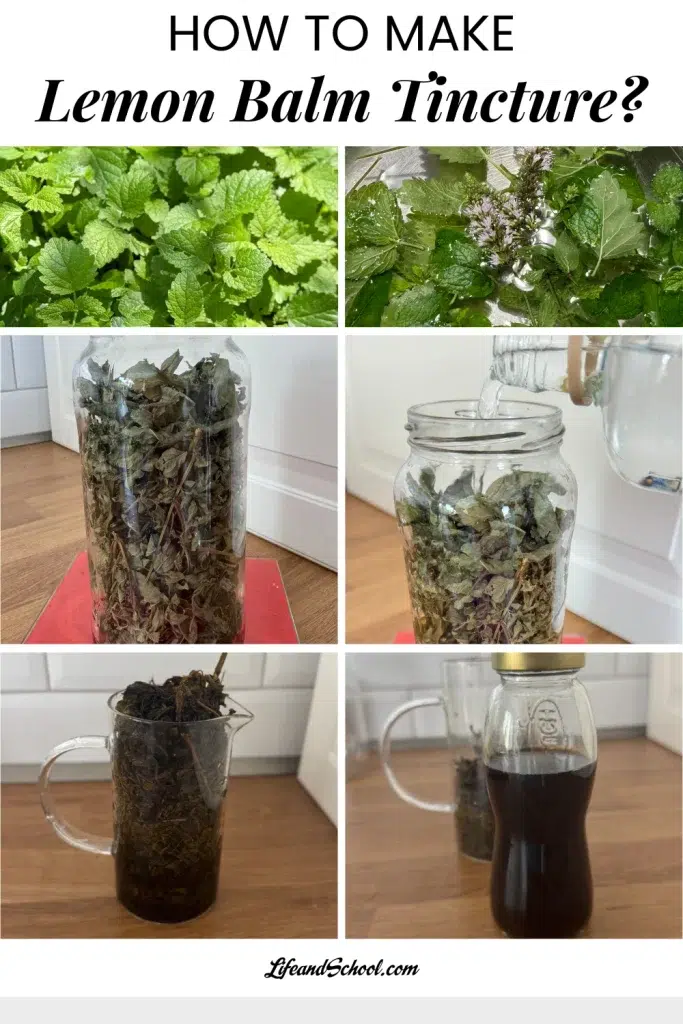
The first step is to gather your herbs. You can use them fresh (chopped into small pieces) or dried, depending on what you have on hand.
In my case, I used shade-dried herbs from my garden. This way, I could be sure of their quality and that they are rich in essential oils and completely free of pesticides.
2. Step – Choose The Alcohol
The second step is to choose the alcohol for your tincture.
The best type alcohol for tinctures is vodka of 35-40% alcohol, because it does not have a distinctive smell or taste. I used a pure, organic vodka, free from pesticides, chemicals and other potentially harmful fertilizers.
You can use other types of alcohol, if you prefer.
Non-alcoholic Tinctures
To make non-alcoholic tinctures, just substitute the amount of alcohol with either apple cider vinegar of glycerol.
3. Step – Soak the herb for 14 days
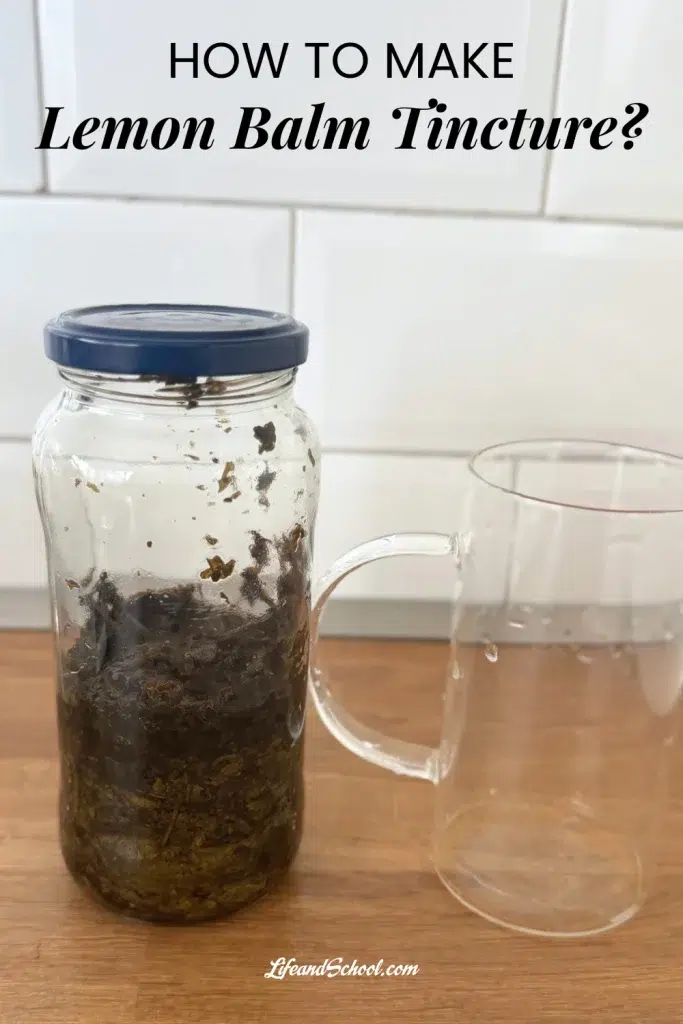
When you’ve gathered your ingredients, place the herb in a large, clean glass jar and pour in the alcohol. Make sure the herb is fully soaked and covered. Close and label the jar with the type of herb and the date you put it in.
Store the jar in a cool, dark place — a cupboard works too. Shake the jar every 2 days.

4. Step – Extract the Lemon Balm Tincture
After 14 days, you are ready to extract the lemon balm tincture. You can use wine press, jelly bag or like I did a French press. I think the French press is the cleanest and easiest method, therefore I prefer it.
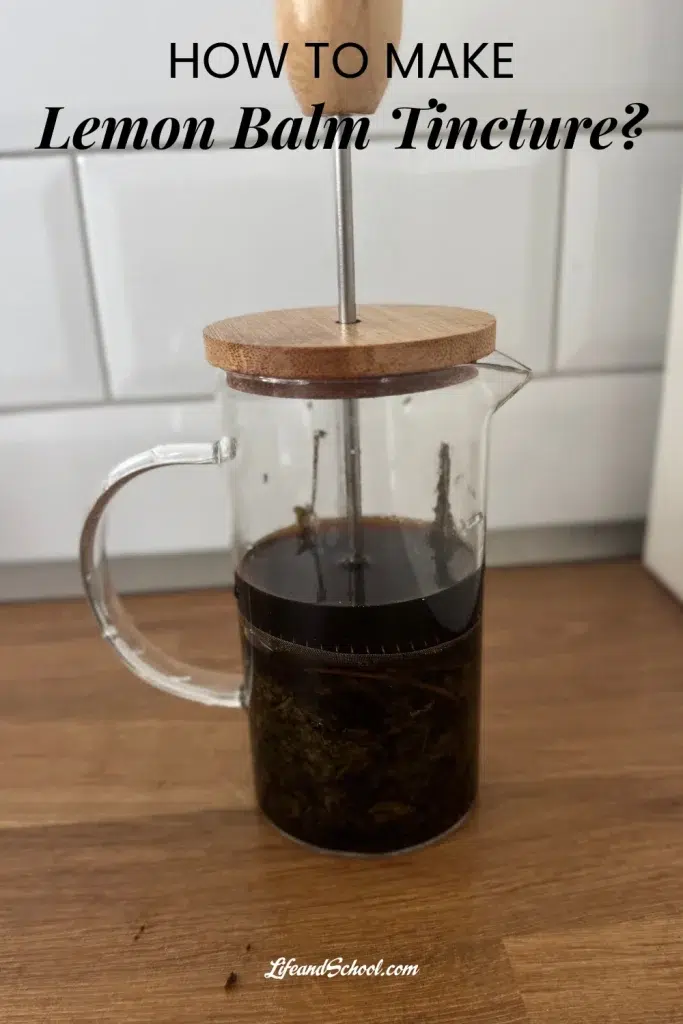
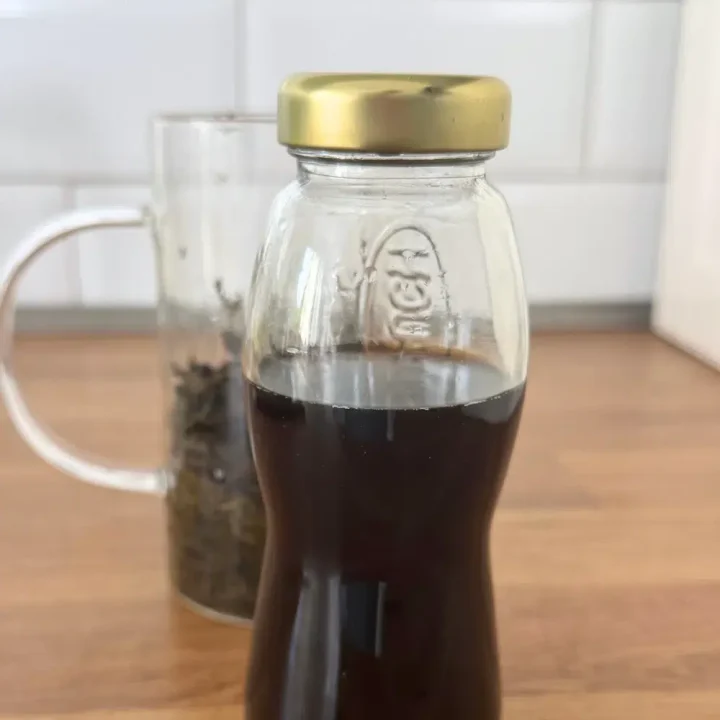
Pour the herb and the tincture in the glass French press and just press firmly. Then pour in a glass bottle (preferably brown glass). I’ve used here clear glass to be able to show the result.
That’s it! Label it, add a date and it’s good up to 2 years.
How Quickly Does Lemon Balm Work for Anxiety?
Lemon balm can start reducing anxiety symptoms within 1 to 3 hours after consumption, as shown in trials where participants reported increased calmness shortly after taking the extract. For chronic anxiety, benefits may build over days to weeks with consistent use.
How to Take Lemon Balm Tincture?
Lemon balm tincture is typically taken by diluting it in water or tea, about 1-2 mL (about 10-20 drops) 1-3 times daily for optimal absorption.
Start with a lower dose to test tolerance, and consult a professional for personalized dosing.
How Long Before Bed Should You Take Lemon Balm?
Lemon balm should be taken about 1 hour before bed to allow time for its calming effects to onset, based on studies showing relaxation benefits within that timeframe.
For sleep improvement, lemon balm is taken over the period of 2-8 weeks, often taken in the evening to reduce insomnia symptoms.
Can You Take Too Much Lemon Balm Tincture?
Yes, taking excessive lemon balm tincture can lead to side effects like nausea, dizziness, headache, or reduced alertness, especially at doses exceeding 500 mg daily equivalents.
Also, overuse may affect thyroid function or cause rebound anxiety upon stopping, with safety data limited beyond 6 months of use.
Always adhere to recommended dosages and consult a doctor to avoid risks.
What Should You Not Mix With Lemon Balm?
Lemon balm should not be mixed with sedative medications or supplements, as it may amplify drowsiness and breathing issues.
Avoid combining it with thyroid hormones or glaucoma drugs, as it could reduce their effectiveness or cause interactions.
It may also interact with antiretrovirals or serotonin-affecting meds, so review all combinations with a healthcare provider.
Who Should Not Take Lemon Balm?
People with thyroid disorders, such as hypothyroidism or Grave’s disease, should avoid lemon balm due to its potential to lower thyroid hormone levels.
Pregnant or breastfeeding individuals, children under 12, and those scheduled for surgery should not take it, as safety data is insufficient.
Anyone with allergies to the mint family or on interacting medications should consult a doctor first.
Does Lemon Balm Tincture Make You Sleepy?
Lemon balm tincture can cause mild sleepiness or drowsiness, particularly at higher doses or when combined with sedatives, due to its calming effects on the nervous system.
Studies show it improves sleep quality without strong sedation, making it suitable for insomnia but potentially affecting alertness during the day.
Does Lemon Balm Help With Weight Loss?
Lemon balm may indirectly support weight loss by reducing stress and improving sleep, which can help manage appetite and prevent overeating.
Does Lemon Balm Really Work?
Yes, lemon balm works for reducing anxiety, improving sleep, and enhancing mood, as supported by meta-analyses and randomized trials showing moderate to large effects.
While effective for mild conditions, results vary, and it’s not a substitute for professional treatment in severe cases.
What is Better, Lemon Balm Tea or Tincture?
Lemon balm tincture may be better for faster absorption and higher potency due to its concentrated alcohol extraction, allowing quicker effects compared to tea’s milder infusion.
Tea is gentler. It is suitable for daily relaxation but contains lower active compounds like rosmarinic acid per serving.
The choice depends on your preference. Tincture is ideal for targeted dosing and tea is great for your daily routine.
What Happens If I Drink Lemon Balm Every Day?
If you drink lemon balm daily, it can lead to sustained reductions in anxiety, better sleep, and improved mood. This is as seen studies using 300-600 mg for up to 8 weeks.
However, it may cause mild side effects like nausea or dizziness if doses are high, and long-term use beyond 6 months lacks extensive safety data.
The benefits include antioxidant support. However, monitor for thyroid impacts and consult a doctor for ongoing use.
Is Lemon Balm Tincture Right for You?
Lemon balm tincture is a versatile, evidence-supported option for stress relief and more, but it’s most effective as part of a holistic approach.
Lemon Balm Tincture Recipe Card
How to Make A Lemon Balm Tincture at Home?
How to Make A Lemon Balm Tincture at Home?
Materials
- 20g dried Lemon Balm Or 30g fresh Lemon Balm (chopped into small pieces)
- 100 ml vodka (35-40%) - for best results (pure, organic vodka, free from pesticides, chemicals and other potentially harmful fertilizers.)
- Non-alcoholic version - substitute the vodka with apple cider vinegar or glycerol
Tools
- French Press
- 1 clean glass jar
- Glass bottle
Instructions
- Place the herb in a large, clean glass jar and pour in the alcohol.
- Make sure the herb is fully soaked and covered.
- Close and label the jar with the type of herb and the date you put it in.
- Store the jar in a cool, dark place for 14 days — a cupboard works too.
- Shake the jar every 2 days.
- After 14 days, you are ready to extract the lemon balm tincture.
- Pour the herb and the tincture in the glass French press and just press firmly.
- Then pour the extracted tincture in a glass bottle (preferably brown glass). I've used here clear glass to be able to show the result.
- That's it! Label it, add a date and it's good up to 2 years.
Disclaimer: This post is informational and not medical advice—consult a healthcare professional for personalized recommendations.