
Tired All The Time? It might be Folate Deficiency: What You Need to Know
Folate, also known as folic acid or vitamin B9, plays a vital role in in red blood cell production, your body’s ability to make DNA and RNA, process amino acids, and keep your cells functioning at their best. Also it plays a key role in nervous system health. It works closely with vitamin B12, and when B12 is low, folate can get “trapped” in a form your body can’t use – something doctors call the folate trap.

Folate deficiency can cause a variety of symptoms – some mild, others serious – so spotting them early is important.
Folate vs. Folic Acid
Although the terms are often used interchangeably, they are not the same. Folate is the naturally occurring form of vitamin B9 found in foods like spinach, lentils, and oranges. Folic acid is the synthetic form, added to supplements and fortified foods such as rice, pasta, bread, and some breakfast cereals.
For most people, the best way to get enough folate is through food. A balanced diet rich in leafy greens, legumes, citrus fruits, and other fresh produce usually provides all the folate your body needs – no supplements required unless advised by your doctor.
Causes of Folate Deficiency
Folic acid deficiency can happen for several reasons:
- Poor diet
- Chronic alcohol use
- Malabsorption disorders (e.g., celiac disease)
- Certain medications (methotrexate, phenytoin)
- Increased needs during pregnancy or with conditions like hemolysis.
Do You Have a Folate Deficiency?
Take this short quiz based on an NIH publication about Folate Deficiency. It is based on symptom data from the NIH and includes five key indicators of folate deficiency. Your score gives an indication of your potential risk for folate deficiency. Take the short quiz.
Understanding Your Quiz Results
Your score gives an indication of your potential risk for folate deficiency:
- Low Risk: Minimal symptoms. Continue eating a folate-rich diet with plenty of leafy greens, legumes, citrus fruits, and fortified grains.
- Moderate Risk: Some symptoms are present. It’s worth consulting your doctor and considering ways to boost your folate intake.
- High Risk: Strong signs of possible folate deficiency. Seek medical evaluation promptly for proper testing and treatment.

Note, that folate and vitamin B12 deficiencies can have overlapping symptoms, especially neurological ones. If you notice tingling, numbness, or cognitive changes, your doctor may check for both.
Disclaimer: I am not a doctor or medical professional. This quiz is for informational purposes only and should not replace personalized medical advice. Always consult a qualified healthcare provider about your health concerns.
Where to Get Folate
Nature provides plenty of folate-rich foods, including:
- Leafy green vegetables (spinach, kale, romaine)
- Legumes (lentils, chickpeas, beans)
- Liver and other organ meats
Folate is absorbed in the small intestine (jejunum) but can be easily destroyed by heat or alcohol, so gentle cooking methods like steaming are best to preserve its benefits.
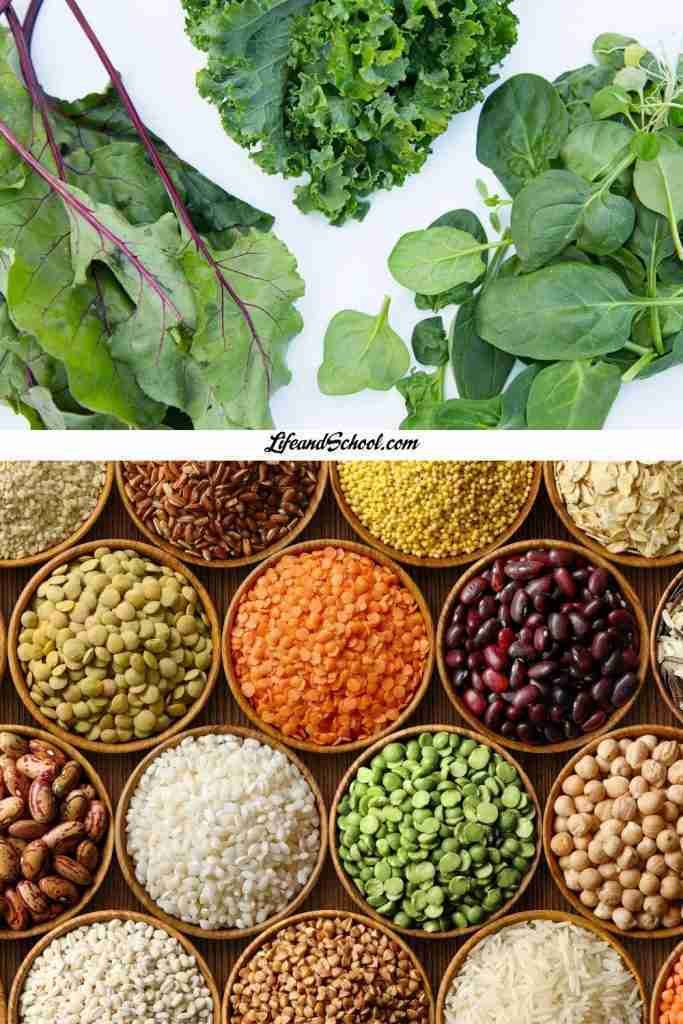
What foods have the highest folic acid?
Here is a short table providing an overview of foods and herbs that are naturally high in folate.
| Food/Herb | Serving Size | Folate (mcg DFE*) |
|---|---|---|
| Beef liver, cooked | 3 oz (85 g) | 215 |
| Lentils, cooked | 1/2 cup (99 g) | 179 |
| Spinach, boiled | 1/2 cup (90 g) | 131 |
| Black-eyed peas, cooked | 1/2 cup (85 g) | 105 |
| Broccoli, boiled | 1/2 cup (78 g) | 52 |
| Avocado | 1/2 fruit (68 g) | 59 |
| Asparagus, boiled | 4 spears (60 g) | 89 |
| Brussels sprouts, boiled | 1/2 cup (78 g) | 47 |
| Parsley, fresh | 1/4 cup (15 g) | 23 |
| Cilantro, fresh | 1/4 cup (4 g) | 10 |
*DFE = Dietary Folate Equivalents; reflects naturally occurring folate.
Sources: NIH Office of Dietary Supplements, USDA FoodData Central.
Natural Remedies for Folate Deficiency
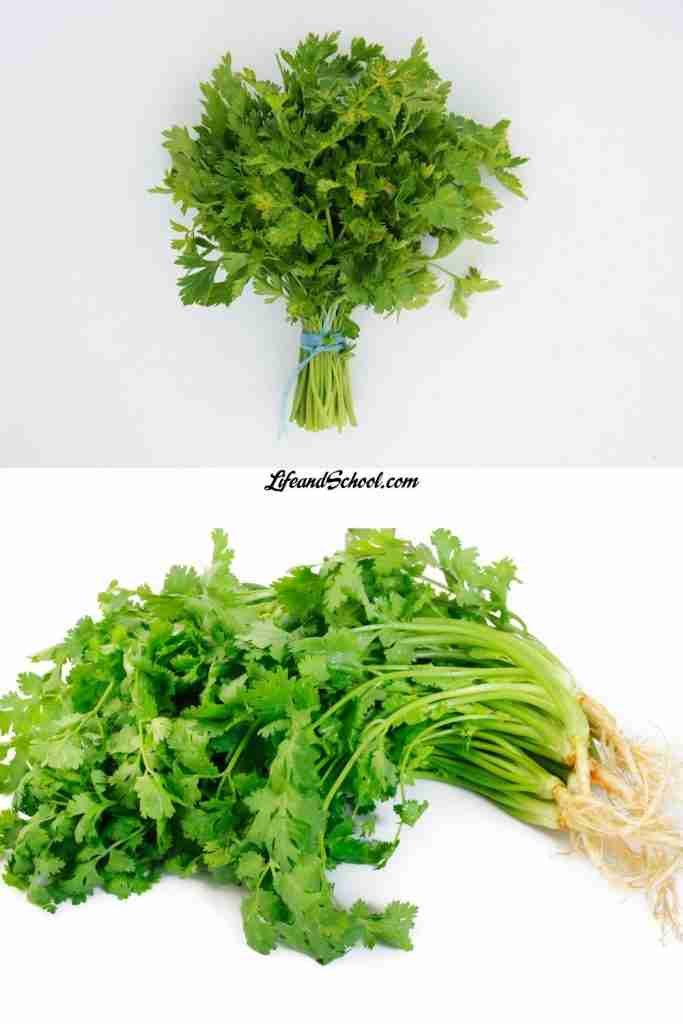
Herbs like parsley and cilantro provide smaller amounts of folate but can contribute when used regularly in meals.
Quick Folate Rich Meals You Can Prepare At Home
I’m not a big beef liver fan, so I go with the next best source of folate—lentils—and share 5 super easy and healthy recipes.
- Easy Vegetables Soup
- Spiced Lentil Bowls
- Chicken and Spinach Rice
- Spiced Healthy Broccoli Soup
- Easy Vegetable Stew
Who Needs Extra Folic Acid?
Remember, for most people, the best way to get enough folate is through food. A balanced diet rich in leafy greens, legumes, citrus fruits, and other fresh produce usually provides all the folate your body needs – no supplements required unless advised by your doctor.
However, certain groups benefit from extra folic acid:
- Women of childbearing age: At least 0.4 mg daily before and during pregnancy to lower the risk of neural tube defects.
- High-risk women (history of affected pregnancy or taking anticonvulsants): 4–5 mg daily under medical supervision.
- People with malnutrition, bariatric surgery, chronic alcohol use, chronic hemolytic anemia, or high cell turnover conditions.
A typical preventive dose for high-risk adults is 1 mg per day, alongside a diet rich in fresh greens and legumes.